
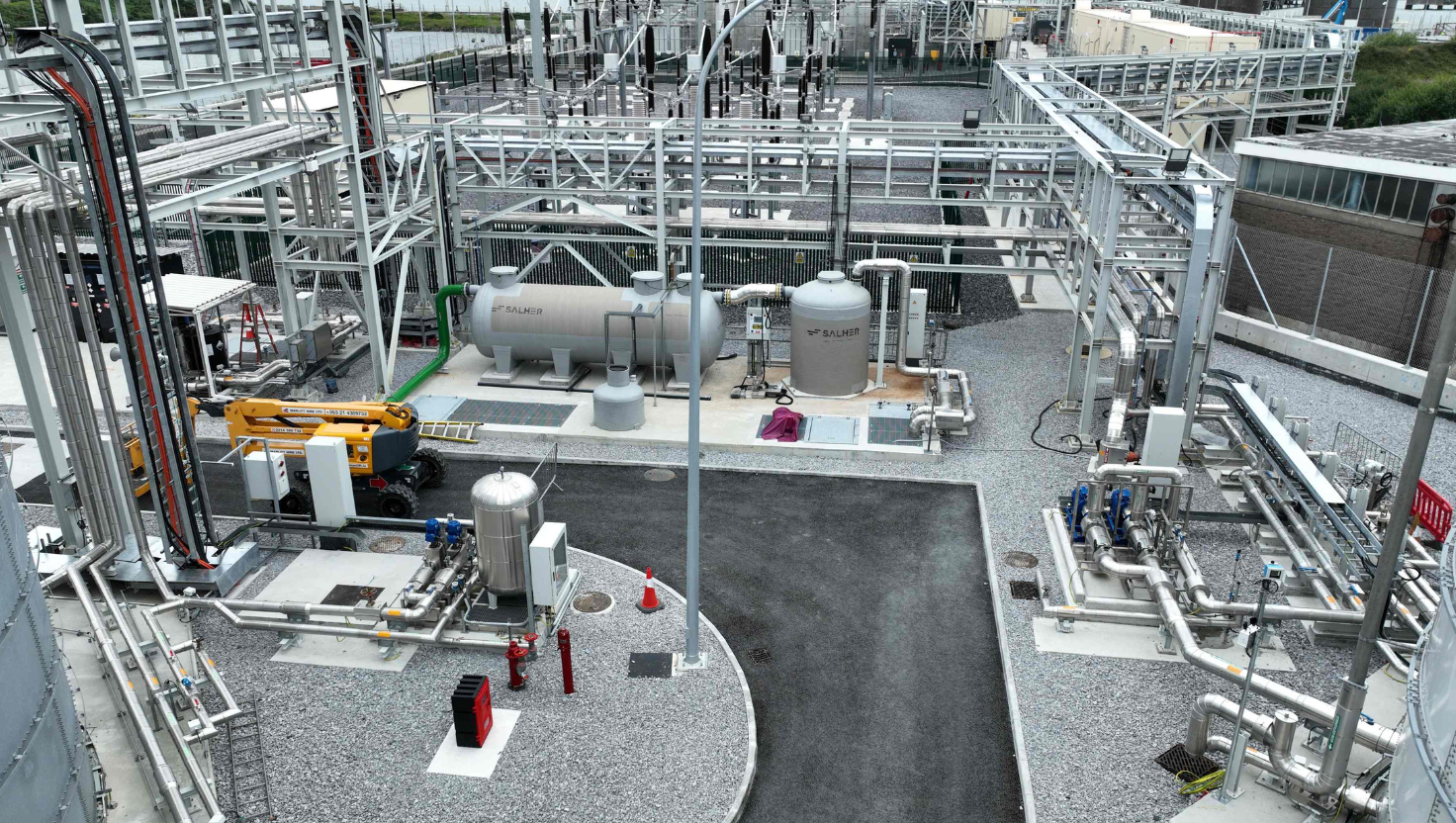
Why hydrocarbon separation remains a critical part of industry?
In many industrial processes, from oil extraction and fuel refining to fleet washing and manufacturing operations, water comes into contact with hydrocarbons. Salher® hydrocarbon separators are installed worldwide to maximize water recovery and support efficient wastewater treatment.
Hydrocarbon separation systems rarely make the headlines in water industry publications. However, these units play a vital role in protecting water resources, ensuring regulatory compliance, and minimizing the environmental impact of numerous industrial activities.
Permitted oil and grease limits in effluents are becoming increasingly stringent
In the oil and gas industry, the volume of produced water tends to increase as reservoirs mature, making treatment more challenging. At the same time, the hydrocarbons contained in this water retain significant economic value, as they can be recovered and returned to the production process instead of being lost as waste.
For this reason, efficient oil-water separation not only contributes to environmental protection and regulatory compliance, but also generates economic benefits by reducing losses and recovering valuable product.
From hydrocarbon separators to membrane treatment systems
Hydrocarbon removal from water is typically carried out through a multi-stage process designed to eliminate progressively smaller oil droplets. This approach is based on a fundamental physical principle: water and hydrocarbons have different densities and are immiscible, meaning they naturally tend to separate under the right conditions.
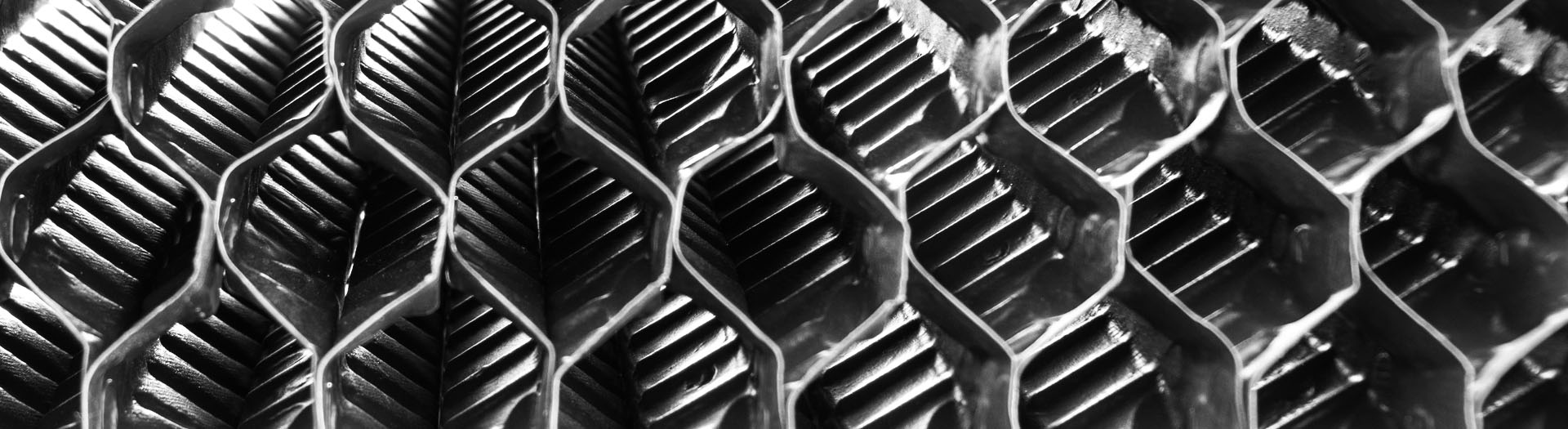
The first stage is usually gravity separation, where equipment removes free-floating hydrocarbons by taking advantage of the density difference between oil and water. To capture smaller droplets, plate coalescers are often used to promote droplet aggregation, making separation easier and more efficient.
Dissolved Air Flotation (DAF) systems remove fine oil droplets and suspended solids by means of microbubbles that carry contaminants to the surface. In applications requiring stricter discharge limits or water reuse, membrane technologies such as ultrafiltration and nanofiltration can retain emulsified hydrocarbons and other fine impurities.
Rather than competing technologies, these solutions are typically combined in different treatment stages to maximize efficiency and optimize operating costs.
What happens when hydrocarbon separation fails?
From an environmental perspective, hydrocarbons reduce oxygen transfer in water, harm aquatic ecosystems, and can persist for years in sediments and food chains. In addition, certain petroleum compounds are toxic and even carcinogenic, making the contamination of aquifers and water sources a significant public health concern.
Regulatory and reputational consequences must also be considered. Non-compliant discharges can result in financial penalties, operational restrictions, loss of permits, and damage to corporate reputation.
Finally, insufficiently treated water promotes corrosion, scaling, and fouling in process equipment, increasing maintenance requirements and energy consumption. In addition, every litre of hydrocarbon discharged with treated water represents a direct economic loss. Efficient separation therefore not only protects the environment, but also improves process profitability.
Maintenance ensures maximum performance
Over time, separators accumulate sludge, coalescers lose efficiency, membranes become fouled, and mechanical equipment experiences wear. As a result, treated water quality may gradually deteriorate without obvious signs of malfunction.
For this reason, preventive maintenance and continuous monitoring of operational parameters are essential. Regular inspections, scheduled cleaning, and the replacement of components before failure help prevent breakdowns, reduce operating costs, and minimize the risk of environmental non-compliance.
Latest news
How to eliminate the chlorine smell in swimming pools? Salher introduces new ozone water treatment solutions
The characteristic chlorine smell in swimming pools, irritated eyes and dry skin are no longer unavoidable. Ozonation is rapidly becoming the preferred water treatment technology for facilities...

New Salher ozonation range: proprietary technology for water and air treatment
At Salher, we continue expanding our technological portfolio with a new range of ozonation systems designed to cover everything from small installations to large industrial processes: the new OZW...
Salher solutions to reduce the water footprint of artificial intelligence
Beyond its seemingly digital nature, artificial intelligence relies on a vast physical infrastructure with a measurable environmental impact: mining, energy consumption, and an increasing demand for...
Salher Products
Designed and developed to meet all the requirements in water treatments.

Services

Project and Design
Engineering development and projects management.

Manufacturing
Production of GFRP, polypropylene and steel equipment.
Assembly of modular equipment and integration in civil works.

Supply
Selection of equipment and instrumentation to provide an integral water treatment solution.

Commissioning
Technical assistance in the electromechanical and electrical assembly of every water treatment plant.

Maintenance
Post-installation control service by a qualified technical staff.

Courses & documentary support
Practical training and delivery of manuals of operation, commissioning and maintenance.

salher@salher.com
Carrera Toledana, 33. Arganda del Rey. Madrid 28500. Spain.
+34 91 870 00 15
Spain / +34 91 870 00 15
Poland / +48 22 737 24 95
Portugal / +351 234 795 821
Engineering – Wastewater treatment – Purification – Liquid/solids separation equipment for industrial and municipal process applications – Surface water – Groundwater – Water Reuse – Drinking Water – Hydrocarbon and Oil Water Separation